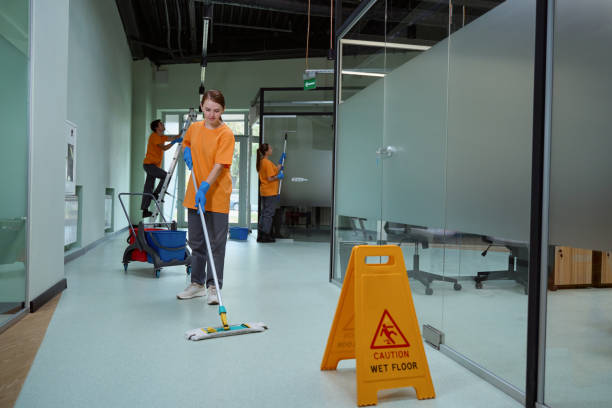

I didn’t really understand how big a deal cleaning was in business until I visited a warehouse a few years ago that looked… honestly like a dusty museum of bad decisions. Machines were coated in grime, floors sticky, workers trying to clean around production instead of after it. That’s when someone mentioned they finally hired an Industrial Cleaning Company and things changed almost overnight. Sounds dramatic, but it kinda made sense. Businesses usually think cleaning is just wiping surfaces, but in industrial spaces it’s more like maintenance for your entire operation.
People underestimate how much time gets quietly wasted when cleaning isn’t handled properly. Employees stop their actual work to clean spills, supervisors chase safety complaints, and equipment downtime increases because dirt and debris love getting inside moving parts. It’s like trying to run your phone with 50 apps open in the background — technically it works, but everything slows down and you don’t know why.
The hidden cost nobody tracks properly
Here’s the funny part. Most companies track payroll, electricity, logistics… but almost nobody tracks lost productivity due to mess. And yeah, that sounds like something a consultant would say, but it’s real. I once talked to a small manufacturing owner who said he thought outsourcing cleaning was expensive. After switching to a professional Industrial Cleaning Company, he realized his staff gained almost an extra hour of productive work daily because they weren’t constantly tidying up machines and floors.
If you do rough math, even 30 minutes lost per employee per day becomes massive over a year. Imagine paying salaries for time spent pushing mops instead of operating equipment. That’s basically paying a chef to wash dishes during dinner rush. Doesn’t make much business sense when you look at it that way.
There’s also this weird psychological thing. Clean spaces make people work faster. I’m not quoting a fancy research paper here, just observation and honestly what people keep saying online. Scroll through LinkedIn or even Reddit threads about workplaces and you’ll notice employees constantly mention environment affecting motivation. Nobody feels energetic walking into a dusty, chemical-smelling factory at 8 AM.
Equipment lasts longer when dirt stops winning
One mechanic once told me something that stuck: machines don’t usually fail because they’re old, they fail because they’re dirty. Dust, grease buildup, chemical residue — all of it slowly damages moving parts. Industrial equipment is expensive, sometimes ridiculously expensive, and yet companies hesitate to invest in proper cleaning routines.
Think of it like skipping oil changes for your car. You save money today, sure, but later you’re crying over repair bills. Professional cleaners understand what chemicals are safe for specific surfaces and machines. Regular janitorial cleaning just doesn’t cut it in heavy environments.
A lesser-known stat I came across somewhere (and honestly didn’t believe at first) suggested poor maintenance and contamination can reduce equipment efficiency by up to 15%. Even if that number varies, imagine losing 10% performance simply because grime decided to move in rent-free.
Safety problems start small but get expensive fast
This part businesses usually learn the hard way. Slippery floors, blocked ventilation, dust accumulation — these aren’t just cleanliness issues, they’re liability magnets. One minor accident can cost more than a year of professional cleaning services.
I remember seeing a viral post on X where someone shared photos of a workplace accident caused by oil residue left on the floor. The comments were brutal. People weren’t just blaming the worker, they were blaming management for poor maintenance. Reputation damage spreads fast now, way faster than companies expect.
Professional cleaning teams focus heavily on compliance and safety standards. They notice risks before they become headlines. And honestly, that preventative approach saves both money and headaches. Insurance claims and downtime are way more expensive than regular upkeep.
Employees notice more than managers think
This one is underrated. Workers absolutely notice when companies invest in their environment. Cleaner air, organized spaces, and sanitized work areas actually reduce sick days. It’s not magic, just basic hygiene.
A friend working in logistics once told me morale improved after their facility started deep cleaning schedules. People stopped joking about needing masks just to survive their shift. Small change, big impact. Sometimes businesses chase complicated productivity strategies when the answer is literally cleaning the workspace properly.
There’s also hiring benefits. New employees walking into a clean facility instantly feel the company is organized and serious. First impressions matter, even in industrial settings. Nobody says it out loud during interviews, but everyone thinks it.
Why outsourcing ends up cheaper than DIY cleaning
At first glance, hiring external professionals feels like an extra expense. I used to think that too. But when you factor in equipment costs, cleaning chemicals, training, safety compliance, and employee time, in-house cleaning becomes surprisingly inefficient.
Industrial cleaning requires specialized tools most businesses don’t own. High-pressure systems, industrial vacuums, chemical handling expertise — buying and maintaining all that for occasional use doesn’t really add up financially.
Plus, trained crews work faster. What might take internal staff a full day can sometimes be done in a few hours because professionals already know the process. Time saved equals operations running smoothly again, which is where real money comes from.
Toward the end of the day, businesses aren’t paying cleaners just to make things look nice. They’re paying for smoother workflows, fewer breakdowns, safer workplaces, and honestly less stress overall. That’s why many companies eventually turn to an Industrial Cleaning Company once they realize cleaning isn’t a side task — it’s part of operations.
And if there’s one thing I’ve noticed from business owners talking online lately, it’s this shift in mindset. Cleaning used to be seen as maintenance. Now it’s closer to strategy. Companies that partner with an Industrial Cleaning Company often say they wish they had done it earlier because the savings weren’t just financial… they were mental too. Less chaos, fewer emergencies, and way fewer why is this machine suddenly not working? moments.
Honestly, sometimes saving money isn’t about cutting costs. It’s about stopping small problems from quietly draining your business every single day. And yeah, cleaning sounds boring, but turns out boring solutions are often the smartest ones.