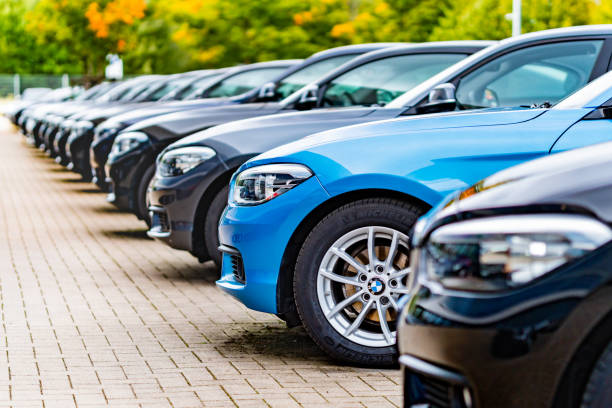

Buying a car in India is lowkey one of the most emotional financial decisions you’ll ever make. It’s not just metal and wheels. It’s family road trips, late night chai drives, random highway dhaba stops, and yes… EMI stress. When people start talking about Car Selection India, it usually begins with “mileage kitna deti hai?” and ends with three cousins giving totally different advice.
I’ve seen this drama up close. My uncle once changed his decision four times in one week. First he wanted a hatchback because “city traffic.” Then an SUV because “status.” Then a sedan because “comfort.” Finally he bought something completely different because the dealership gave free seat covers. True story.
Start With Your Real Life, Not Instagram
This is where most people mess up. They buy according to trends. Big SUVs are everywhere on reels, so suddenly everyone feels they need one. But if you live in a crowded city like Mumbai or Bangalore, parking alone can test your patience daily.
Think about your daily routine. Office commute? Long highway runs? Mostly city errands? A car should match your lifestyle, not your ego.
India’s traffic conditions are no joke. Narrow lanes, unpredictable bikes, random cows (yes, still happens). A compact car might actually make your life easier than a giant one.
Budget Is More Than Just Ex-Showroom Price
Here’s something nobody explains clearly to first-time buyers. The car’s sticker price is just the beginning.
You’ve got insurance, registration, road tax, extended warranty, servicing, fuel, and of course EMIs if you’re financing. It’s like ordering food online and realizing the final amount includes delivery fee, platform fee, tax, and some mysterious “handling charge.”
I always tell friends, if your EMI makes you slightly uncomfortable every month, you’ve probably stretched too far. Financial peace is underrated.
Petrol, Diesel, CNG Or Electric?
This debate has become intense lately. With fuel prices doing their own rollercoaster thing, people are more cautious.
Petrol cars are generally cheaper upfront and good for city use. Diesel works well if you drive long distances regularly. CNG is budget-friendly for daily commuters but boot space often suffers.
Electric vehicles are rising fast. Government incentives, lower running cost, less maintenance. But charging infrastructure still depends on your city. In metro areas it’s improving. Smaller towns, not so much.
I saw a stat floating around auto forums that EV adoption in India has grown massively in the last few years, but resale value patterns are still evolving. So if resale matters to you, think about that too.
Safety Ratings Are Not Just Marketing
A few years ago, nobody in my circle talked about safety ratings. Now people actually check Global NCAP scores. Which is good.
Airbags, ABS, structural strength — these things matter. Especially with Indian road unpredictability.
Don’t ignore safety just to save a little money. Because accidents don’t send a calendar invite before happening.
Test Drive Is Non-Negotiable
I don’t care how many YouTube reviews you watch. You have to sit in the car yourself.
Comfort is personal. Seat height, steering feel, visibility — these things can’t be judged online.
During test drive, don’t just circle the block politely. Drive through a rough patch if possible. Check braking response. See how the AC performs. India’s summer heat is a real test.
One friend of mine ignored test drive because he trusted reviews. Later he realized the seat back angle gave him back pain on long drives. Small detail, big regret.
Resale Value And Brand Network Matter
In India, resale value is almost a cultural obsession. Brands like Maruti Suzuki and Hyundai are popular partly because of strong service networks and decent resale.
If you live in a smaller town, check service availability. A fancy car is useless if the nearest service center is 200 km away.
And let’s be honest, Indian families think ahead. Even before buying, someone will ask, “bechoge toh kitna milega?”
Manual Or Automatic?
Ten years ago manual was default. Now automatic is becoming common, especially in cities.
If you drive daily in heavy traffic, automatic can reduce fatigue a lot. But some people still love manual control. It depends on what kind of driving experience you enjoy.
There’s no right answer. Just personal preference.
Online Platforms Are Changing The Game
Earlier you had to visit multiple showrooms physically. Now platforms focused on Car Selection India simplify comparisons. You can check specs, features, variants, pricing — all in one place.
It reduces confusion. Instead of relying only on dealership sales talk, you can compare calmly at home.
But don’t fully depend on online information either. Always verify latest pricing and offers directly. Car prices change more often than people realize.
Emotion Versus Logic
Here’s the honest truth. No matter how practical you try to be, emotion will play a role.
The color you love. The way the car looks when parked outside your house. The feeling when you first hold the keys.
That’s okay. Just balance emotion with logic.
Car Selection India isn’t about choosing the most expensive or the most hyped option. It’s about finding something that fits your budget, lifestyle, and future plans without giving you financial anxiety.
Because at the end of the day, a car should make life easier and more enjoyable. Not turn into a monthly reminder of “why did I do this?”
Take your time. Compare properly. Test drive patiently. And maybe ignore that one relative who always says, “thoda aur bada le lete.”